Introduction: Recession Hit You Hard? You’re Not Alone After a financial recession, it’s not uncommon for people—especially small business owners, traders, and professionals—to default on payments or fail to honor financial commitments. But when these defaults lead to criminal cases like cheque bounce (Section 138 NI Act) or even fraud allegations, it adds legal pressure...Read More
Introduction The economic aftershocks of a recession can severely impact personal finances. Many borrowers across India—especially salaried employees, freelancers, and small business owners—are unable to repay personal loans, business loans, or EMIs taken before the downturn. If you’re one of them, don’t panic or fall prey to harassment by NBFC recovery agents. This article will...Read More
Introduction: A Growing Post-Recession Nightmare You saved for years. You booked your dream flat.Then suddenly… the builder stopped construction, citing “recession” or “market conditions.” You’re not alone. Thousands of homebuyers in India, especially in Gurgaon, Faridabad, Noida, Zirakpur, Panchkula, and across Haryana, are stuck with half-completed apartments, no possession, and mounting EMIs. But there is...Read More
Introduction The economic aftershocks of a recession often lead to widespread payment defaults, especially among small businesses and traders. One common issue that resurfaces during such downturns is the bouncing of cheques due to insufficient funds. But do you know that a bounced cheque is not just a financial setback – it’s a punishable offence...Read More
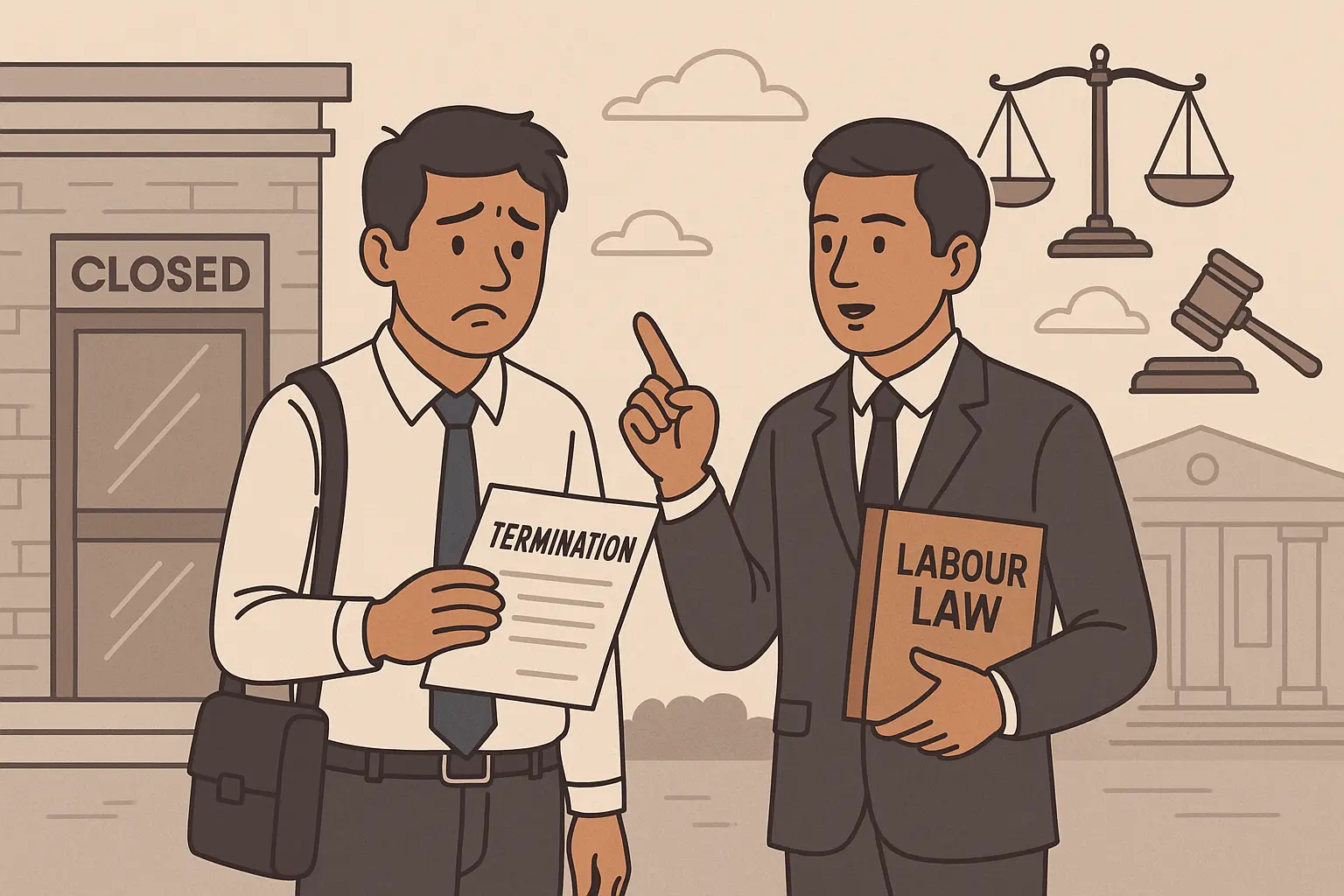
Introduction: When Layoffs Cross the Line The economic slump caused by recession has led to widespread job losses across India, especially in the tech, startups, and manufacturing sectors. While companies have the right to restructure, wrongful termination is not legal—especially if done without procedure or in violation of labour laws or employment contracts. If you’ve...Read More
Introduction: Why Legal Recovery Matters In the aftermath of a financial downturn or business default—especially during or after a recession—many individuals and small businesses in India face the bitter reality of unpaid dues, broken contracts, or dishonoured payments. If you’ve supplied goods, offered services, or lent money and haven’t been paid back, recovering your money...Read More
Why This Article Matters for You Whether you are an accused, a victim, or a legal professional, choosing the right kind of bail—and moving fast—often decides liberty, negotiation leverage, and even trial outcomes. Mis-timed or mis-framed applications are the single biggest reason bail gets denied in Indian courts. Recent Supreme Court pronouncements—Union of India v....Read More
Introduction: A Legal Trap Tougher Than Most If you’re accused in a case under the Narcotic Drugs and Psychotropic Substances Act, 1985 (NDPS Act), securing bail is no ordinary legal battle. Unlike other criminal laws in India, NDPS imposes stringent bail conditions, shifting the burden of proof onto the accused. One wrong step can land...Read More
Imagine you’re thousands of miles from home—maybe closing a big deal in Dubai, backpacking through Europe, or visiting family in the U.S.—when suddenly the police show up at your hotel door. In the span of minutes, your dream trip turns into a legal nightmare: unfamiliar laws, an unknown language, and a justice system that doesn’t...Read More
By Vishal Saini, Advocate, Criminal-Defence Attorney Disclaimer: This article is for educational purposes; it does not create a lawyer-client relationship. Always seek personalised legal advice. Why the First 24 Hours Are Critical The clock starts the moment your name appears in the First Information Report (FIR). Under the Code of Criminal Procedure, 1973 (CrPC) and...Read More